
Module 1
5-6 Min Read
Why This Module Matters
Many people begin exploring a service dog because they have reached a point where they know something needs to change.
A service dog can be life-changing. It can increase independence, build confidence, and help mitigate the effects of a disability. For many handlers, a service dog becomes one of the most important tools they use to navigate daily life.
At the same time, a service dog is not the right solution for everyone, and it is not the right solution at every stage of life. Before submitting an application, it is important to have realistic expectations about what a service dog can and cannot do.
This module asks you to think honestly about your understanding of service dogs, the role you expect a service dog to play in your life, and whether your expectations match the reality of building a working partnership.
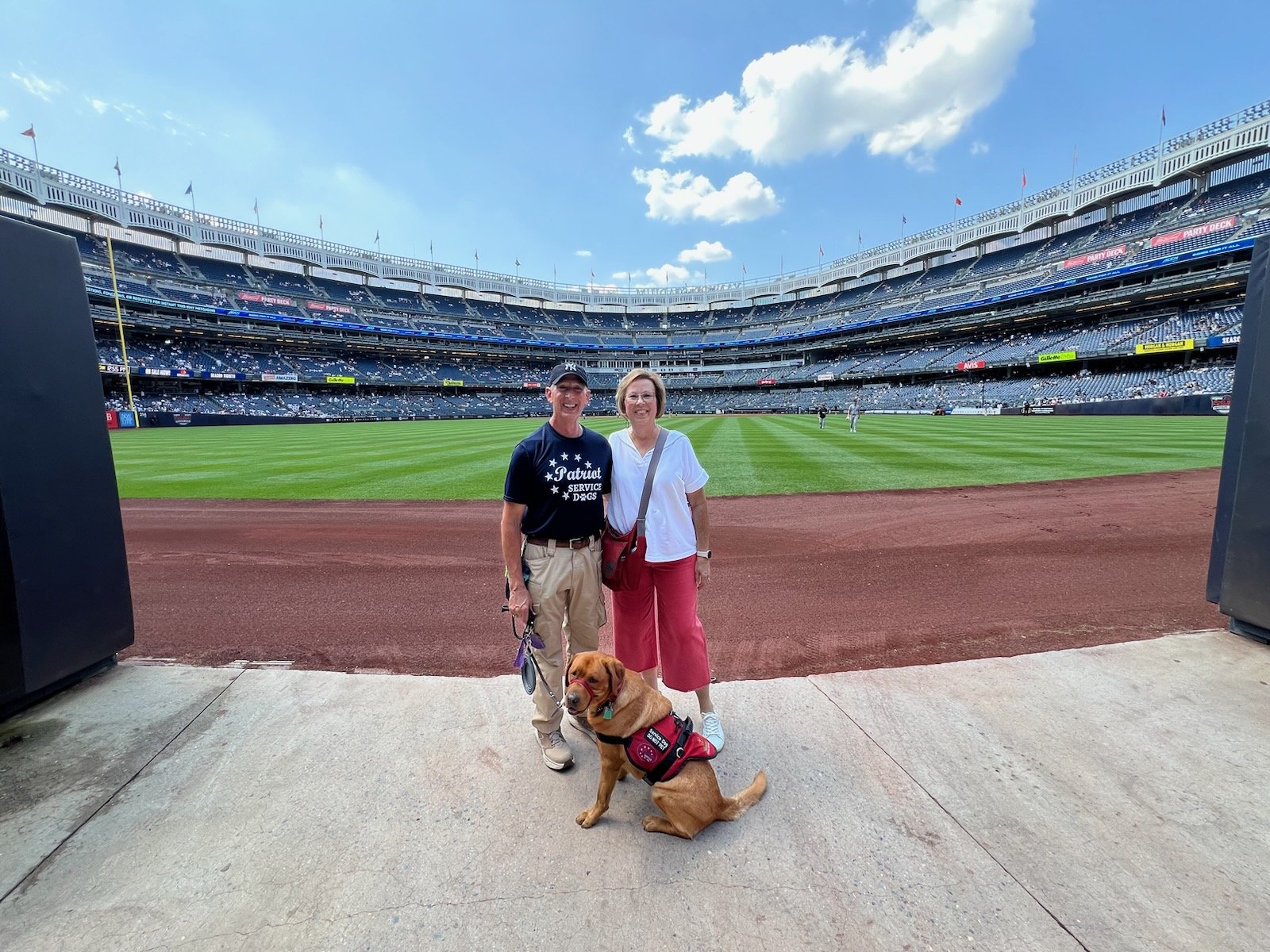
What a Service Dog Can Do:
Every Patriot Service Dogs service dog is individually trained to perform tasks that mitigate its handler's disability.
Depending on the individual, those tasks may include:
Interrupting anxiety or panic behaviors
Providing grounding during moments of distress
Retrieving dropped items
Assisting with mobility-related tasks
Alerting to specific behaviors or routines
Performing other disability-related tasks specific to the handler's needs
A service dog provides skilled assistance through trained tasks. It becomes one tool in your support system, helping you live with greater independence, confidence, and stability.
What a Service Dog Cannot Do:
A service dog can be life-changing, but it cannot remove every challenge, replace treatment or support systems, control other people, or make public life free from stress or interaction.
A service dog cannot eliminate PTSD.
A service dog cannot replace therapy, medical care, medication, or other treatment.
A service dog cannot do the work of healing for you.
A service dog is also not trained to protect you, guard you, intimidate other people, create personal space, or influence the behavior of those around you.
A service dog works alongside the other tools and support systems you have in place. The strongest teams are built when a service dog becomes part of a broader approach to managing a disability, not the only approach.
Common Misconceptions
"A Service Dog Will Keep People Away"
One of the most common misconceptions about service dogs is that they will discourage interactions with the public.
In reality, service dogs often have the opposite effect. People notice them. They may ask questions, compliment your dog, tell you about their own dog, or attempt to start a conversation simply because they see a dog in public. If interacting with strangers is difficult for you, it is important to understand that working with a service dog may increase those interactions, not decrease them. Learning to manage that attention is part of becoming a successful service dog handler.
PSD dogs do not create distance, alert to people approaching from behind, bark to intimidate, block people, or perform any behavior that could be considered guarding, protection, or intimidation. These behaviors are not service dog tasks and are not permitted in our program. No exceptions.
"Receiving a Service Dog Is the Finish Line"
Many people imagine that once they receive a service dog, the hardest part is over. In reality, receiving your dog is the beginning of a new partnership. Your dog will continue learning. You will continue learning. The relationship you build together over time is just as important as the tasks your dog performs.
A service dog is not something you simply receive. It is a partner you learn to work with every day.
"You Don't See the Whole Story"
Whether you see a service dog team on social media or in person, you are only seeing one moment in their journey.
A well-edited video may show a successful training session, a calm public outing, or a meaningful moment between a handler and their dog. Likewise, seeing a confident service dog team at the grocery store, airport, doctor's office, or restaurant does not tell you what it took to get there. What you do not see are the months, or sometimes years, of daily training, mistakes, setbacks, adjustments, and learning that helped build that team. Every successful service dog team has a story. There were difficult days. There were frustrating moments. There were times when both the handler and the dog were still learning.
As you move through this course, remember that you are not preparing for the highlight reel. You are preparing for the process that makes those moments possible.
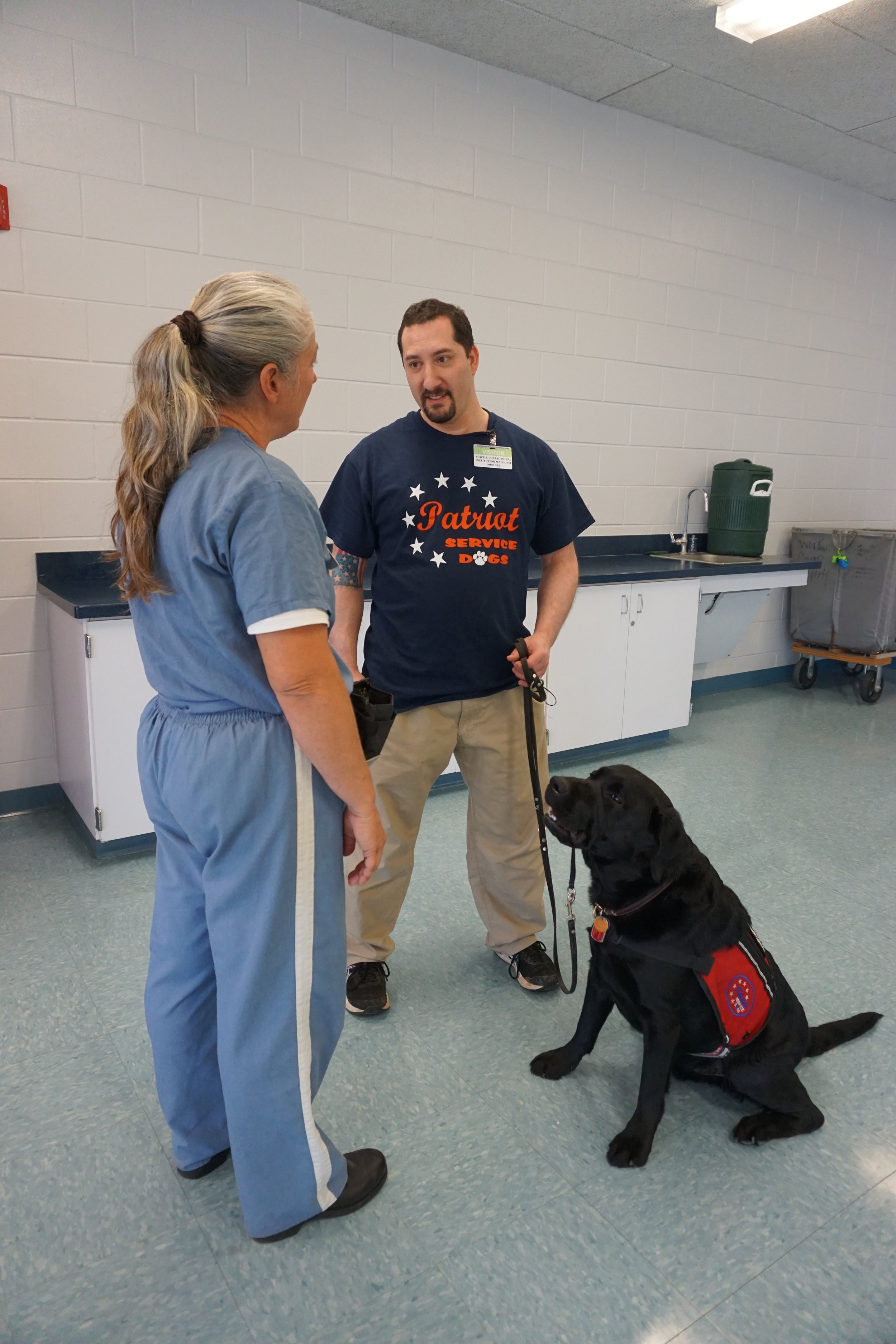
Wanting a Service Dog vs. Being Ready for One
Many people want a service dog. Far fewer are ready for the commitment that comes with one.
Readiness is not about deserving a service dog. It is about honestly evaluating whether you are prepared for the responsibility of working with one every day.
Ask yourself:
Am I expecting a service dog to solve problems it cannot solve?
Am I prepared to continue using other supports, treatments, and coping tools?
Am I willing to keep learning after graduation?
Can I accept coaching and feedback when things are not going as planned?
Am I prepared for a service dog to become a daily responsibility, not just a source of support?
These are questions only you can answer.
Looking Ahead
Understanding what a service dog can do is only part of the decision. Just as important is understanding what it means to live and work with one every day.
In the next module, we will look beyond trained tasks and discuss the realities of daily life with a service dog, from routine care and public attention to the responsibilities that continue long after graduation.
As you continue through this course, shift your focus from one question: "Do I qualify for a service dog?" to another: "Am I ready to build a successful partnership with a service dog?"
Reflection Questions:
Answer these questions before moving on to the next module. These are not graded. They are meant to help you think honestly about your readiness, expectations, and fit. You can also download these questions by clicking the red button below.
Before taking this module, what was your understanding of the role of a service dog? Has that understanding changed? If so, how?
After what you have learned, do you believe your expectations of a service dog are realistic? What role do you expect a service dog to play in your life?
Beyond a service dog, what other supports do you currently have in place to help you manage your needs? How do you see a service dog fitting into that larger support system?