
Module 2
4-5 Min Read
Why This Module Matters
By this point, you have a better understanding of what a service dog can do. Now it is time to consider a different question: What would it actually be like to live with a service dog every day?
A service dog is not something you use only when you need it. It becomes part of your daily routine, your travel plans, your relationships, and many of the decisions you make throughout the day. For many veterans, this working relationship becomes one of the most rewarding parts of their life. It is also one of the biggest lifestyle changes they have ever made.
As you read this module, try shifting your perspective. Instead of asking, "How can a service dog help me?" begin asking, "Am I ready to help this team succeed?"
That shift in thinking is often the difference between simply receiving a service dog and becoming a successful service dog handler.

A Service Dog Changes Ordinary Life
Living with a service dog changes the ordinary parts of your day.
Waking up. Leaving the house. Running errands. Eating in restaurants. Going to appointments. Visiting family. Traveling. Coming home tired. Having a bad day. Planning a vacation. Nearly every routine now includes another living partner who depends on you. Many of these changes eventually become normal, but they do not become normal by accident. They become normal because the handler is willing to build new habits and maintain them consistently.
Even on days when you are exhausted, overwhelmed, or not feeling your best, your service dog still depends on you.
For many handlers, caring for another living being becomes an important part of their own recovery. But it is important to understand that the responsibility exists every single day.
Your Routine Will Change
A service dog becomes part of your daily routine.
You will plan your day differently.
You will think about where your dog can relieve itself before entering a building.
You will carry equipment and supplies.
You will pay attention to your dog's body language, energy level, and stress signals.
You will spend time maintaining training rather than assuming it will always stay the same.
These are not separate from the benefits of a service dog. They are part of the responsibility that makes those benefits possible.
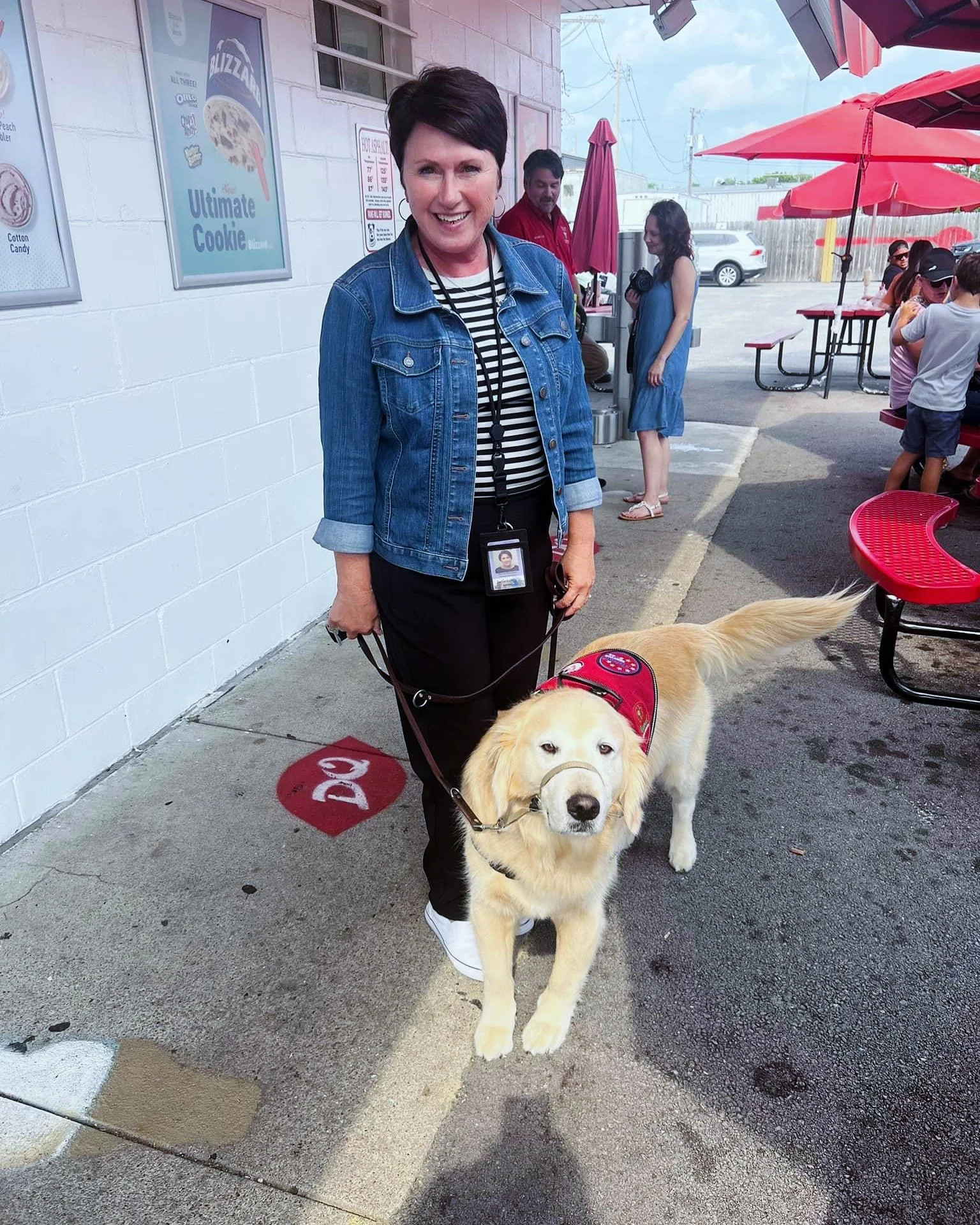
A Two-Way Partnership
A successful service dog team is built on a relationship in which both partners depend on one another. There will be days when your service dog is supporting you through a difficult situation, interrupting a panic response, or helping you navigate the challenges of daily life.
There will also be days when your dog needs you. Your dog may become sick. It may struggle with a new environment, a stressful situation, or simply have an off day. Just as your dog is expected to support you, you are expected to support your dog. That means providing daily care, maintaining training, recognizing when your dog needs a break, and making decisions that put your dog's well-being first.
One of the realities of working with a service dog is that there will be days when you are struggling yourself, but your dog still needs to be exercised, fed, cared for, and worked. As the handler, those responsibilities belong to you. Many handlers find that this responsibility becomes one of the unexpected benefits of the team. Having another living being depend on them provides purpose, structure, and motivation, even during difficult periods.
The strongest service dog teams are built when both the handler and the dog know they can depend on one another.
Every Team Requires Maintenance
Graduation is not the end of training.
It is the end of your dog's formal training and the beginning of your training as a handler.
Your service dog's skills will continue to develop through consistent practice. Your handling skills will continue to develop through experience. Like any working relationship, your team requires regular attention.
There is no such thing as a perfect service dog team. There are only teams that continue learning, communicating, and showing up for the work.
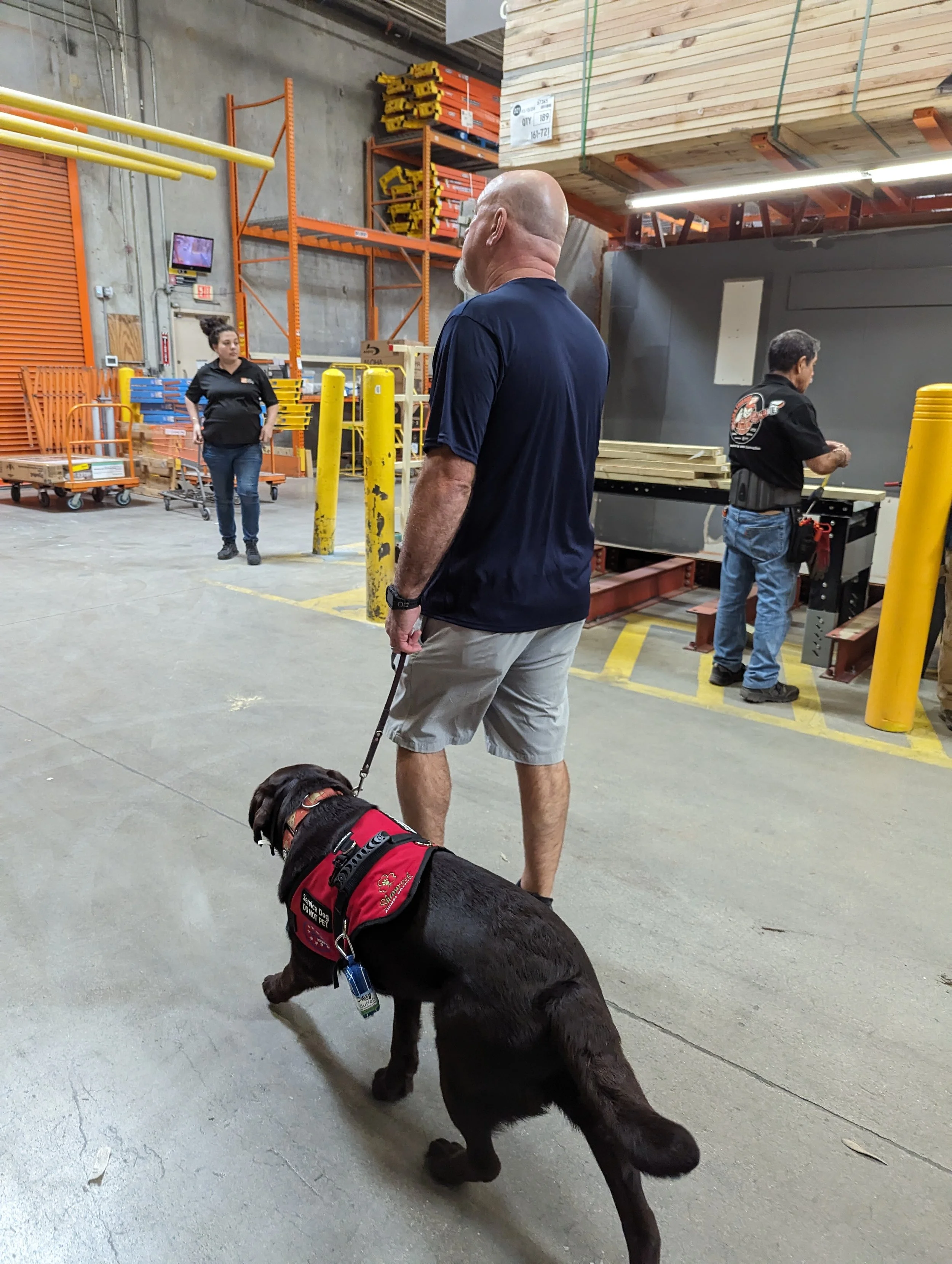
Is This a Lifestyle You Can See Yourself Living?
Before moving forward, take a moment to picture your daily life.
Imagine waking up tomorrow with a service dog already living in your home.
How would your routine change? What excites you? What concerns you? Which responsibilities feel manageable? Which ones make you hesitate? There are no right or wrong answers.
The purpose of this course is not to convince you to apply. It is to help you honestly evaluate whether this lifestyle is the right fit for you.
Looking Ahead
Living with a service dog is only part of the journey. In the next module, we will discuss something many new handlers do not expect: the transition period.
Receiving a service dog is an exciting milestone, but the first weeks and months often bring new challenges, new routines, and a great deal of learning for both you and your dog. Understanding that process before you apply is one of the best ways to prepare for long-term success.
Reflection Questions:
Answer these questions before moving on to the next module. These are not graded. They are meant to help you think honestly about your readiness, expectations, and fit. You can also download these questions by clicking the red button below.
Which responsibility of working with a service dog do you think will be the most challenging for you? Why?
How do you think your daily routine would change if you received a service dog tomorrow?
What does being an equal partner to your service dog mean to you?